
When purchasing a property, a homebuyer’s survey is critical. It helps identify hidden issues. These issues could cost thousands in repairs later on. Damp is one of the most frequently reported concerns. It can lead to structural damage, timber decay, and mould growth if left untreated.
Here are the 10 most common damp-related issues found in UK homes during a survey. Detailed explanations help you understand their causes. They also highlight their potential impact.
1. Condensation
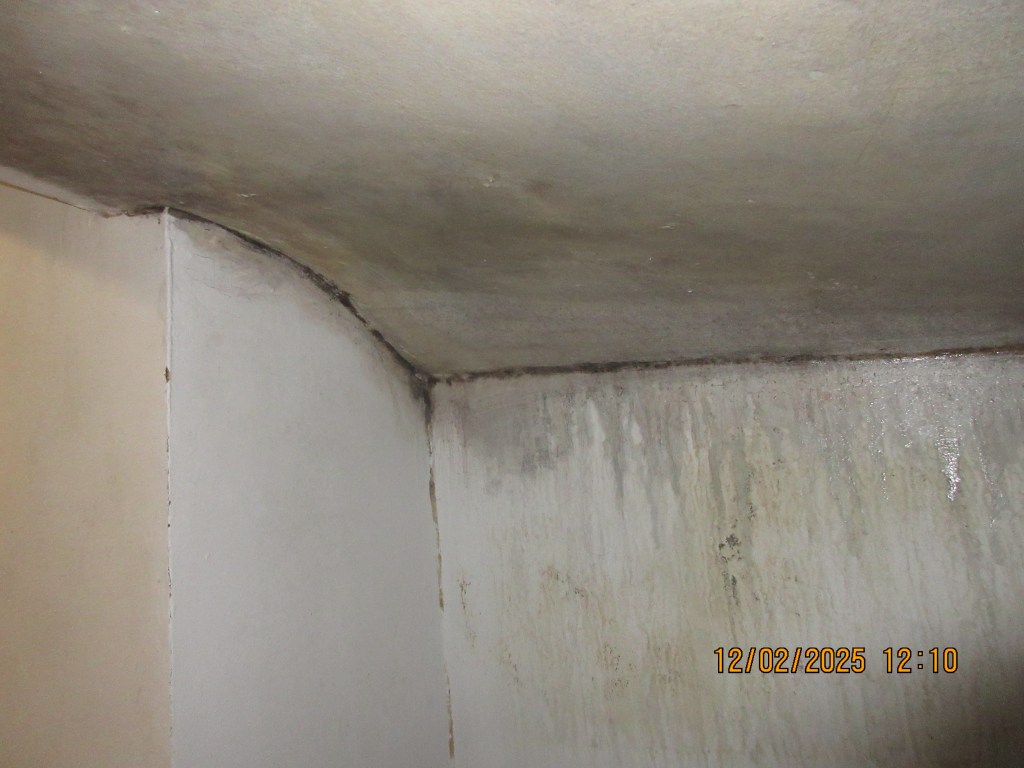
Condensation is the most common form of damp in UK homes. This typically occurs due to everyday activities like cooking, showering, and drying clothes indoors. Without adequate ventilation, moisture builds up on cold surfaces, leading to water droplets, mould growth, and poor indoor air quality.
Common signs: Steamed-up windows, black mould on walls, musty odours.
Preventive tip: Improve ventilation and use dehumidifiers in problem areas.
2. Roof Defects
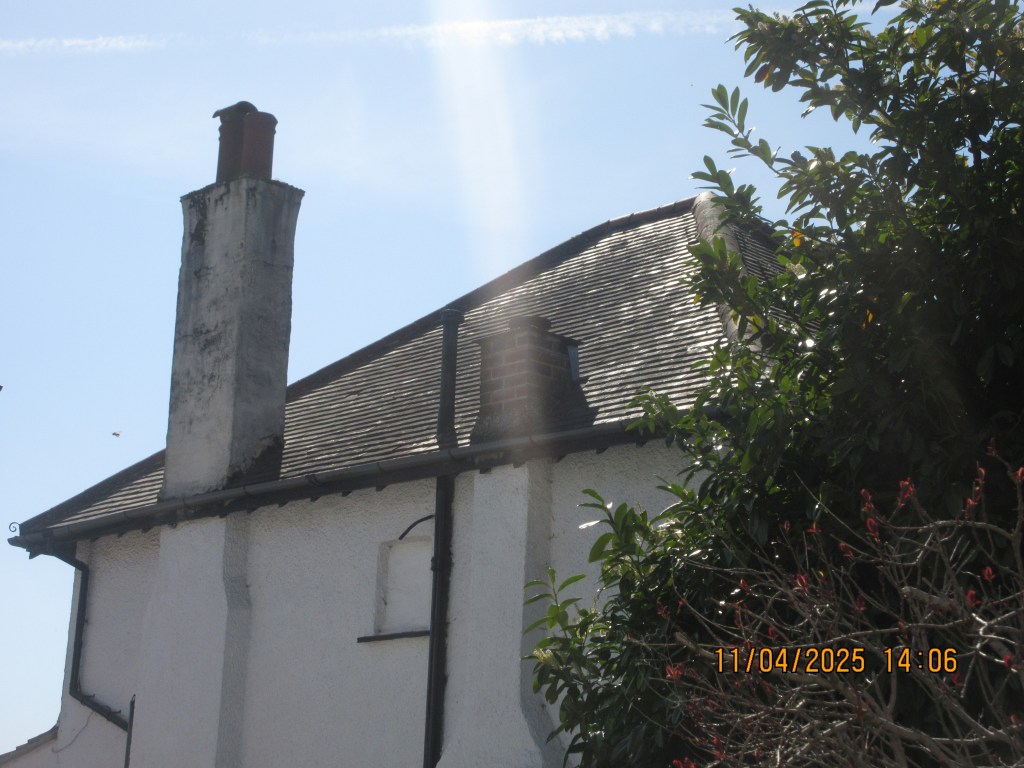
Damaged or poorly maintained roofs are a major source of water ingress. Missing tiles can allow rainwater to enter the building. Cracked flashing also permits water ingress. Blocked gutters lead to internal damp patches and ceiling stains.
Common signs: Water stains on ceilings, damp loft spaces, visible roof damage.
Preventive tip: Regular roof inspections and gutter cleaning.
3. Faulty Drain Pipes

Leaking or damaged drainpipes can allow water to seep into external walls, particularly around downpipes and joints. Over time, this leads to saturation of the wall materials and external damp patches.
Common signs: Wet walls, peeling paint near downpipes, external green staining.
Preventive tip: Check and maintain drainpipes annually.
4. Penetrating Damp
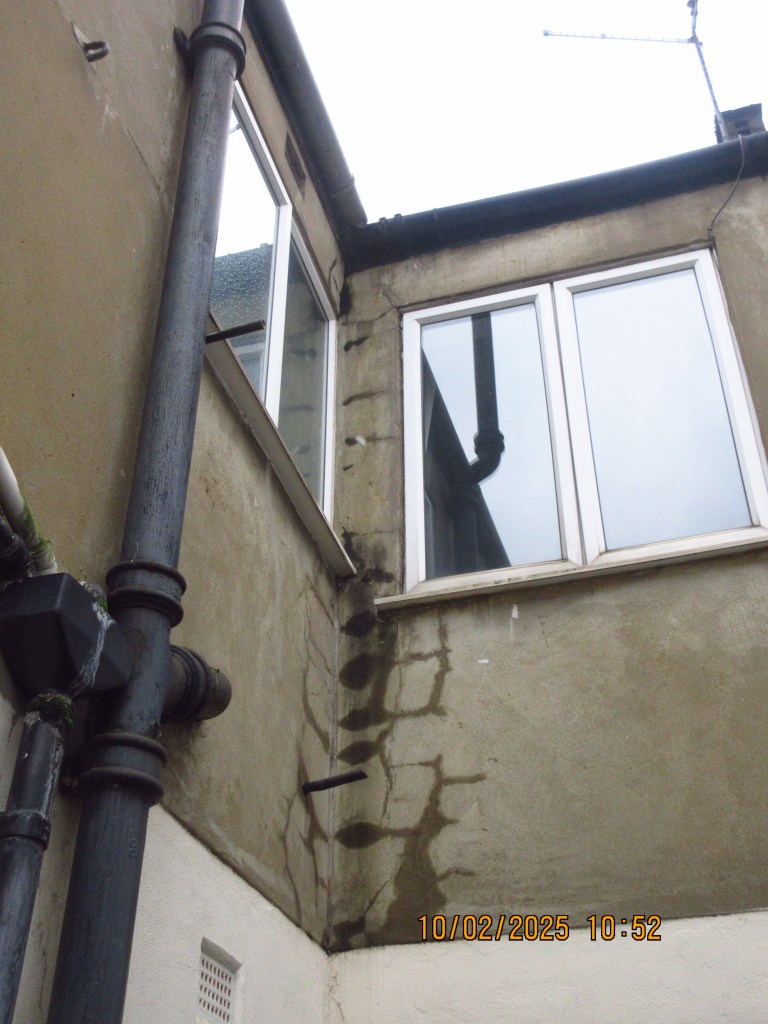
Penetrating damp occurs when water enters a property from the outside, typically through defects in walls, roofs, or foundations. Unlike condensation, it is usually isolated to one area and worsens during heavy rain.
Common signs: Damp patches on internal walls, peeling paint or plaster, water ingress after rainfall.
Preventive tip: Address cracks and seal external walls properly.
5. Rising Damp
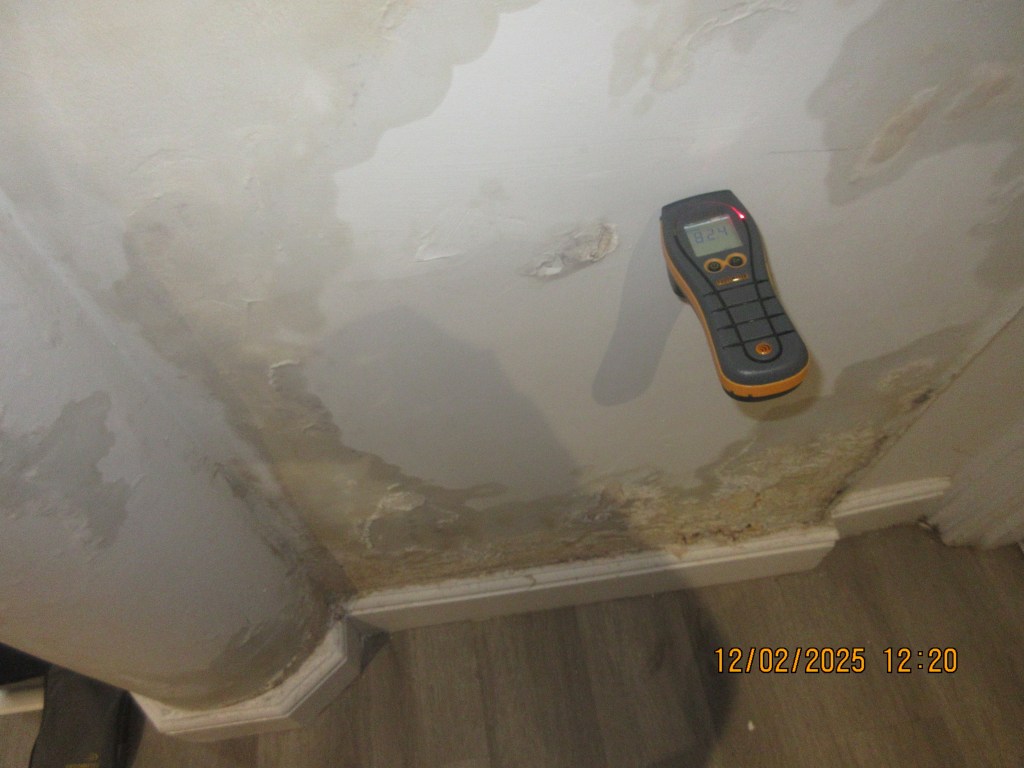
Rising damp occurs when moisture from the ground travels up through porous building materials. This happens when there is a failed or missing damp proof course (DPC). It is relatively rare but can be serious.
Common signs: Tide marks on walls, crumbling plaster, damp smell.
Preventive tip: Ensure DPC is intact and address ground levels near walls.
6. Structural Movement
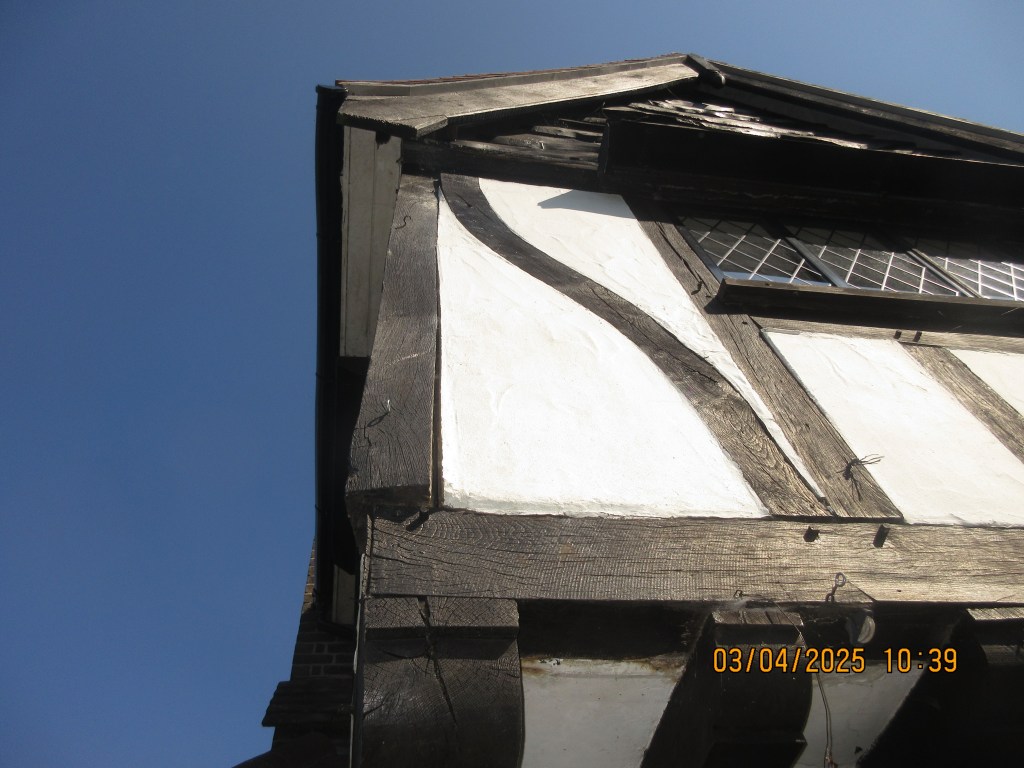
Cracks in walls or foundations can suggest subsidence or structural shifts. These shifts may allow water to enter through weakened joints or fractures.
Common signs: Cracks near doors/windows, uneven floors, bulging walls.
Preventive tip: Get a structural survey to investigate causes early.
7. Faulty Drainage Systems
Blocked or inefficient drainage can cause standing water near the foundations, leading to damp in basements or ground-floor walls. Overflowing drains are also a key risk factor.
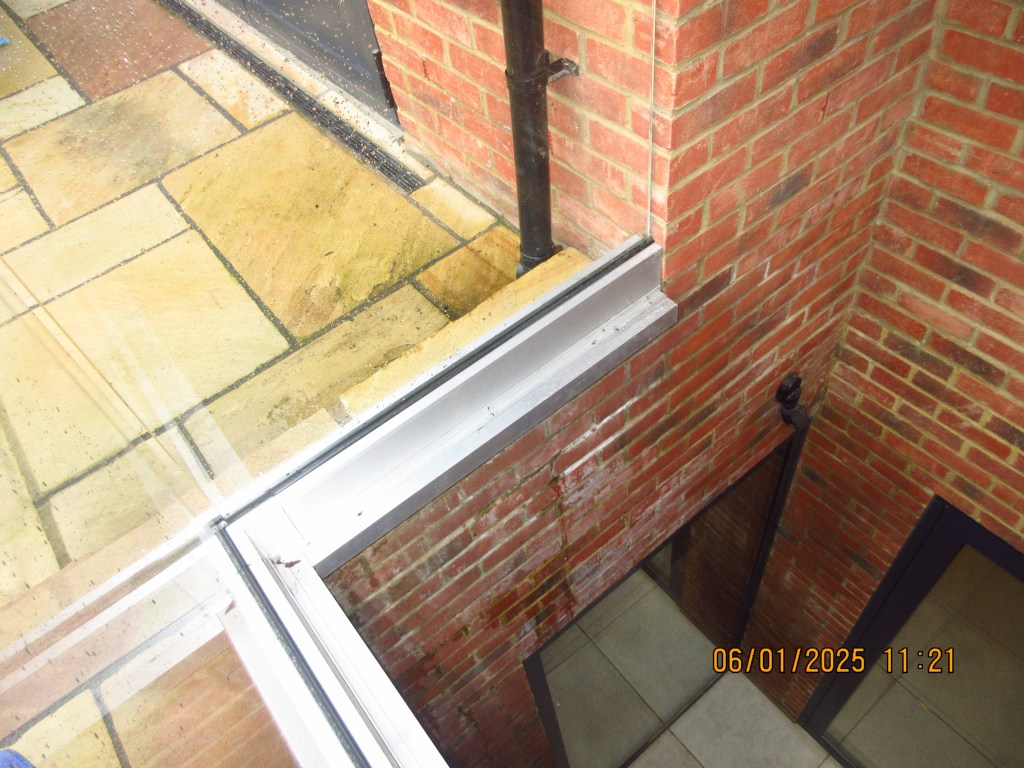
Common signs: Water pooling around the property, overflowing drains, damp lower walls.
Preventive tip: Ensure proper drainage grading and clear blockages quickly.
8. Woodworm Infestation
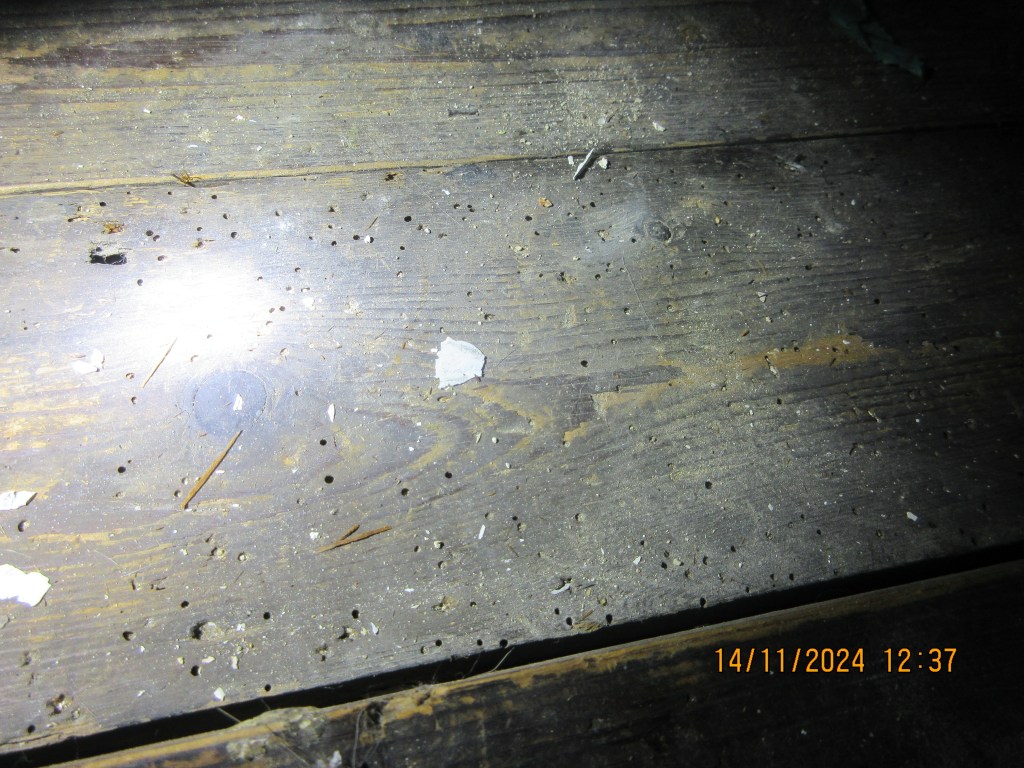
Though not a damp issue itself, woodworm weakens timber, making it more vulnerable to damp and rot. High moisture content attracts wood-boring insects, compounding structural risks.
Common signs: Small exit holes in wood, crumbling wood, bore dust (frass).
Preventive tip: Keep wood dry and treat infestations promptly.
9. Timber Decay
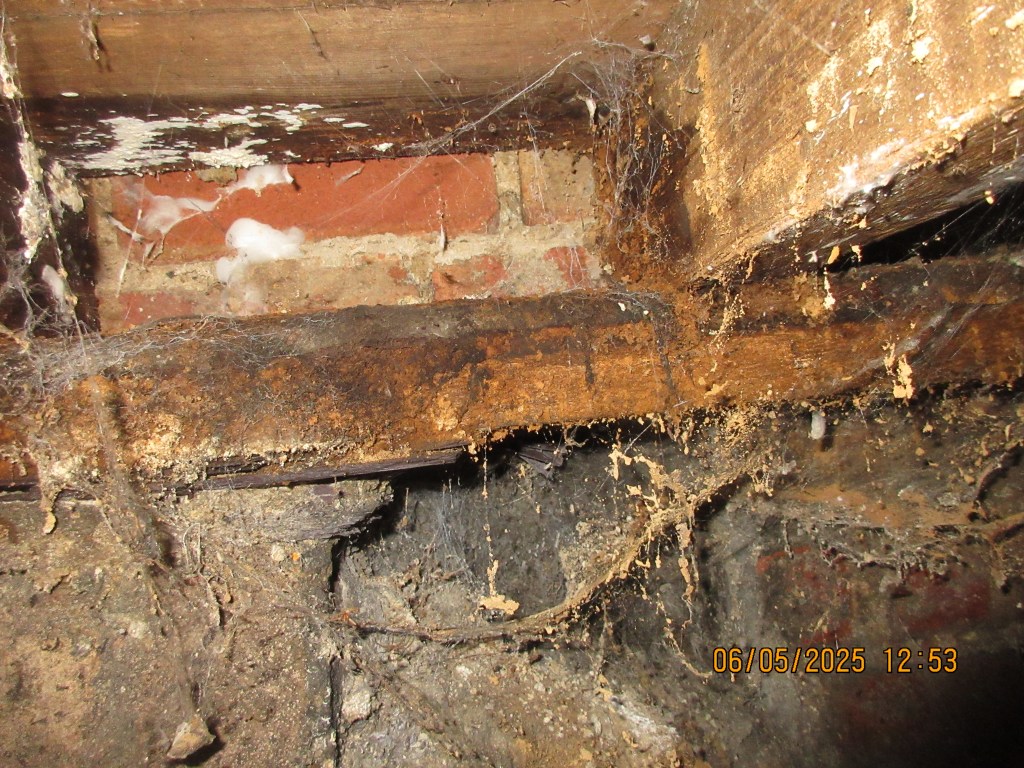
Dry rot is a severe form of timber decay caused by a fungal infestation in damp wood. It can spread rapidly and compromise the structural integrity of floors, joists, and beams.
Common signs: Musty smell, brittle timber, orange/brown spore dust.
Preventive tip: Address damp sources immediately and consult a specialist.
10. Damp and Mould Growth
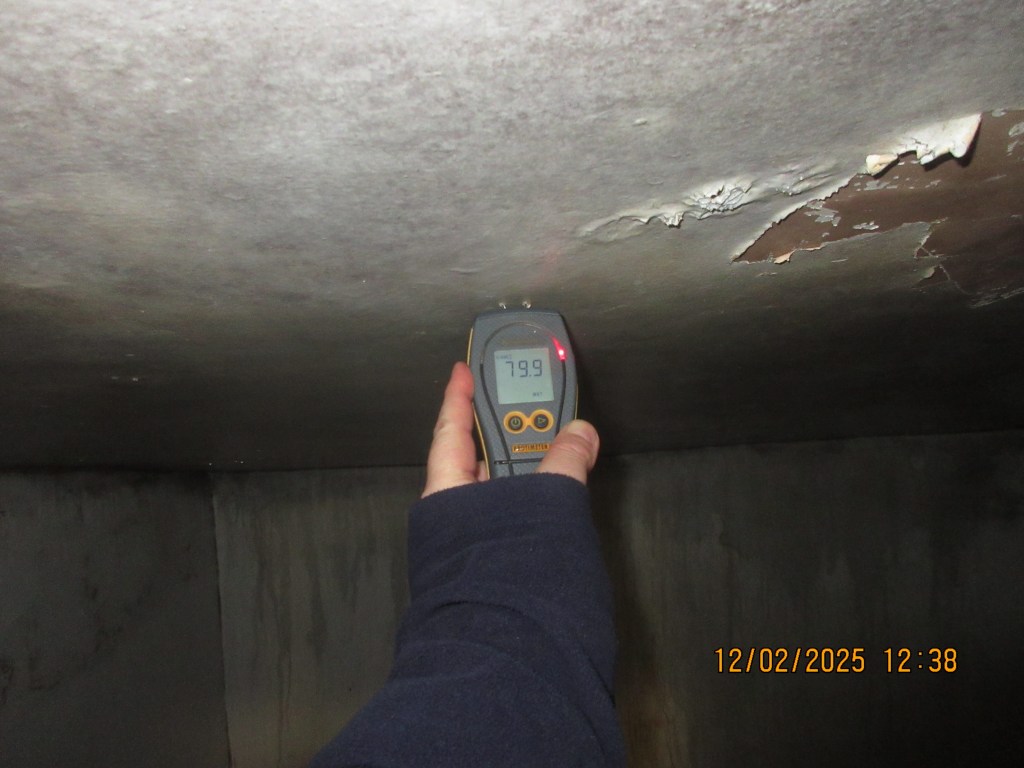
Persistent damp problems can lead to mould infestations. These infestations not only damage property but also pose serious health risks. They are particularly dangerous for children, the elderly, and asthma sufferers.
Common signs: Black or green mould, peeling wallpaper, respiratory issues.
Preventive tip: Improve airflow, control moisture, and clean mould safely.
Final Thoughts
When buying or maintaining a home, it’s crucial to recognise common damp problems in UK properties. This recognition helps prevent costly damage. While some signs are easy to spot, others require a professional damp survey to identify accurately.
Optimised Keywords Used:
- damp issues in UK homes
- homebuyer survey damp problems
- condensation in homes
- penetrating damp signs
- rising damp UK
- faulty drainage and damp
- dry rot and woodworm
- damp survey UK
- causes of mould in houses
 Independent Damp Surveyors